

The Growing Demand for Fake Documents: Risks, Implications, and How to Identify Them
In a progressively digitized and busy world, documents has ended up being the foundation of trust in personal, professional, and governmental deals. Whether it's identification cards, passports, motorist's licenses, or educational certificates, legal documents assist in crucial procedures and confirm credentials. However, a growing underground market has emerged to exploit loopholes and accommodate numerous intentions-- selling fake documents. The expansion of fake documents raises major ethical, legal, and security concerns that individuals and institutions need to resolve.
This short article checks out the phenomenon of purchasing fake documents, its risks, why people turn to it, its societal effect, and tips for determining counterfeit records.
What Are Fake Documents?
Fake documents are deceitful replicas of legitimate paperwork developed to simulate official records. These documents can range from easy IDs and diplomas to more intricate certificates, passports, visas, and even professional licenses.
Counterfeiters utilize innovative innovation, including premium printers, specialized inks, and graphic style tools, to produce fake products that often mimic real documents. In some cases, fake documents are generated with stolen personal information, making complex the authentication process. The motivations for creating and buying these replicas can differ, from monetary fraud and identity theft to bypassing legal barriers like migration and academic admission procedures.
Why Do People Buy Fake Documents?
Fake documents are not a brand-new phenomenon. The reasons that individuals buy them differ widely:
Academic Pressure and Employment
Some individuals turn to fake degrees or certifications to protect tasks that require specific certifications. Faced with academic pressure or a competitive job market, they try to "shortcut" their method to opportunities.
Migration and Travel Issues
Fake passports, visas, and residency authorizations are extensively searched for, particularly by individuals seeking to circumvent immigration laws or enter limited countries. In numerous instances, fake travel documents are utilized as part of human trafficking networks.
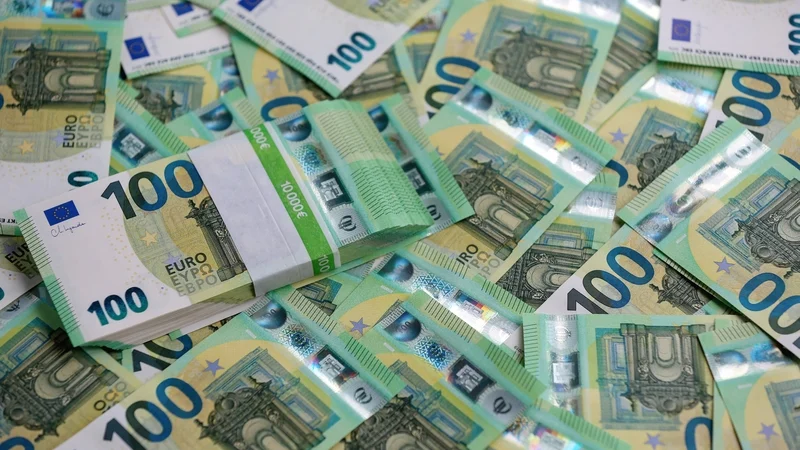
gefälschte euro kaufen
Fake IDs are often acquired to commit monetary fraud, such as making an application for credit, opening savings account, or taking out loans under a false identity.
Underage Access
Younger people may acquire fake IDs to bypass age restrictions on alcohol, tobacco, or entry into clubs and bars.
Professional Fraud
For advanced counterfeiters, fake professional licenses (e.g., medical, engineering, or legal certifications) provide a method to earn money in rewarding fields without correct training or certifications.
The need for fake documents continues to grow partly due to technological progress, which makes creating documents simpler and harder to detect.
Dangers of Buying and Using Fake Documents
While the attraction of fake documents might appear persuasive to some, the repercussions can be severe. Here are a couple of risks individuals should think about:
Legal Offenses
Utilizing fake documents is illegal in almost all nations. If caught, people could deal with penalties such as large fines, criminal charges, and lengthy imprisonment. In addition, those associated with producing or dispersing fake documents undergo even harsher penalties.
Ethical Dilemmas
Acquiring fake documents compromises ethical and moral requirements. It weakens merit-based systems and cheapens the accomplishments of those who make their credentials legitimately.
Reputation Damage
Getting captured with fake qualifications can totally derail an individual's individual and professional life. Employers typically blacklist people captured providing falsified educational or work experience documents.
Financial Risks
Low-quality fakes or rip-offs are widespread in this industry. Numerous individuals end up losing money to scammers pretending to offer premium forgeries, just to receive unusable or quickly noticeable incorrect documents.
National Security Threats
On a macro level, the blood circulation of fake documents presents considerable threats to nationwide security. Fake passports, identity cards, and licenses are typically exploited by wrongdoers, terrorists, and smugglers, causing federal governments to tighten their confirmation processes.
Signs That a Document May Be Fake
While counterfeiters are ending up being progressively sophisticated, there are typically telltale markers of fake documents. Here are some typical warnings to keep an eye out for:
Spelling or Grammar Errors: Typos in official documents are rare. Always inspect the text for misspellings or bad grammar.
Low-Quality Materials: Genuine documents are normally printed on high-quality paper or consist of tamper-proof products like watermarks, holograms, and laser markings.
Incorrect Alignment and Design: Look for disparities in positioning, fonts, format, or logo designs in the document.
Absence of Security Features: Official documents frequently include sophisticated security features like barcodes, microprints, holographic seals, and ultraviolet-visible ink. Fake documents might do not have these.
Authentication Failure: Always cross-check a document's authenticity with the issuing authority, especially for scholastic or professional certificates.
By being vigilant against these indications, people and organizations can avoid using fake credentials.
How Governments and Organizations Are Combating Fake Documents
As the supply of fake documents grows, so does the effort to cut their use. Federal governments and companies are leveraging advanced security features and innovations to combat deceptive paperwork:
Biometric Information
Federal governments are significantly embedding biometric information (such as finger prints, iris scans, or facial recognition) into IDs and passports. This makes it harder for counterfeiters to reproduce.
Blockchain Technology
Blockchain is being used to secure and validate scholastic qualifications and certificates, minimizing circumstances of forgery.
Digital Authentication Services
Organizations are embracing digital tools to verify documents, consisting of e-verification platforms and QR codes.
Public Awarenes Campaigns
Educational campaigns help individuals comprehend the threats of fake documents and offer info on appropriate verification channels.
These procedures, while effective, require constant updates to stay ahead of highly skilled counterfeiters.
Frequently Asked Questions About Buying Fake Documents
1. Is it legal to buy fake documents?
No, buying or utilizing fake documents is unlawful and punishable by law in most countries. Even belongings without intent to use can carry charges.
2. What takes place if I am caught using a fake document?
Consequences may include fines, jail time, loss of professional chances, and damage to your reputation.
3. How can business protect themselves from fake worker documents?
Organizations needs to carry out extensive background checks, third-party verifications, and document authentication through government-approved channels.
4. Why do people risk their lives and professions for fake documents?
The majority of people resort to fake documents out of desperation, whether for work, migration, financial reasons, or to bypass age restrictions.
5. How can I verify a file's credibility?
You can verify documents by:
Verifying details with the issuing authority.
Looking for security features like watermarks and holographs.
Using digital verification tools.
Key Takeaways: Protecting Yourself and Society
Fake documents may seem like a faster way to solve instant issues, but their consequences are significant. They weaken foundational systems of trust, present security dangers, and disadvantage those who follow the guidelines. Federal governments, corporations, and teachers must stay alert, embrace sophisticated innovations, and educate individuals about the legal and ethical repercussions of engaging with deceptive documents. Likewise, people need to guide clear of such activities and report suspicious stars to authorities to curb this growing issue.
By dealing with the problem together, society can maintain the integrity of official documentation and their crucial function in developing a more secure and credible world.